Home / Destinations / CLASSICAL /
Arts and Sculpture
Last updated on 14 Jun 2023
Arts and sculpture have long been an integral part of human expression and creativity, and Sri Lanka boasts a rich heritage in these artistic forms. From ancient times to the present day, the island has been a hub for diverse artistic practices, reflecting the cultural, religious, and social aspects of its society. Sri Lankan arts and sculpture encompass a wide range of mediums, styles, and techniques, each with its unique beauty and significance.
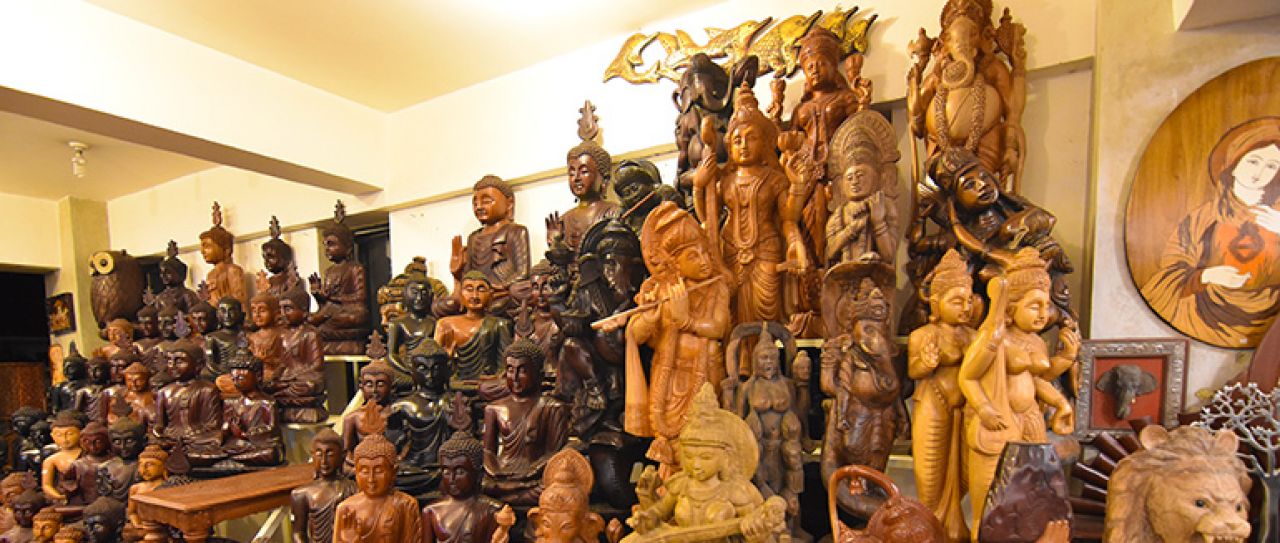
One of the most notable forms of artistic expression in Sri Lanka is traditional wood carving. Skilled artisans meticulously carve intricate designs onto wood, creating exquisite sculptures, furniture, and decorative items. These wood carvings often depict religious figures, mythical creatures, and scenes from local folklore. The detailed craftsmanship and the use of traditional tools showcase the high level of skill and dedication of Sri Lankan wood carvers. In addition to wood carving, Sri Lanka is renowned for its stone sculpture. The ancient civilizations of Sri Lanka left behind magnificent stone sculptures that still stand as testaments to their artistic prowess. The colossal statues of the Buddha, such as the Aukana Buddha and the Gal Vihara in Polonnaruwa, are prime examples of the intricate stone carving techniques employed by ancient Sri Lankan sculptors. These sculptures exhibit a sense of serenity, spiritual devotion, and technical finesse.
Another significant art form in Sri Lanka is traditional mask making. Masks play a vital role in Sri Lankan rituals, dances, and folklore performances. Skilled craftsmen create these masks from lightweight materials such as wood, cloth, and plant fibers, adorning them with vibrant colors and intricate designs. The masks represent various characters, including gods, demons, and animals, each with its distinct personality and symbolic meaning. The process of mask making involves a combination of carving, painting, and embellishing, resulting in visually captivating and culturally significant art pieces. Sri Lanka is also known for its vibrant and colorful textile arts. Traditional handloom weaving is a time-honored craft that produces beautiful fabrics adorned with intricate patterns and motifs. These fabrics are used to create traditional attire such as saris and sarongs, as well as household items like tablecloths and wall hangings. The art of handloom weaving has been passed down through generations, preserving the unique cultural heritage of Sri Lanka. Arts and sculpture in Sri Lanka serve not only as expressions of creativity and beauty but also as vessels of cultural identity and spiritual significance. The intricate craftsmanship, attention to detail, and symbolism embedded in these artistic forms reflect the richness and diversity of Sri Lankan culture and heritage.
Explore Arts and Sculpture