Home / Destinations / RELIGIOUS / Buddhism /
Kelaniya Raja Maha Viharaya
Last updated on 22 Jun 2023Show location
A stupa was built over the spot where the Buddha delivered his discourses, housing the gem-encrusted throne-seat that he sat on as well as other objects he used while he was there. It is unknown who constructed the stupa, despite the fact that this incident occurred in the fifth century BC. However, according to legend, this stupa was renovated by King Uttiya in the third century BC, therefore it was probably constructed earlier. The Temple of Kelaniya was a highly developed center of worship during the Kingdom of Kotte in the 14th century. Since then, other rulers have added to and enhanced this temple.
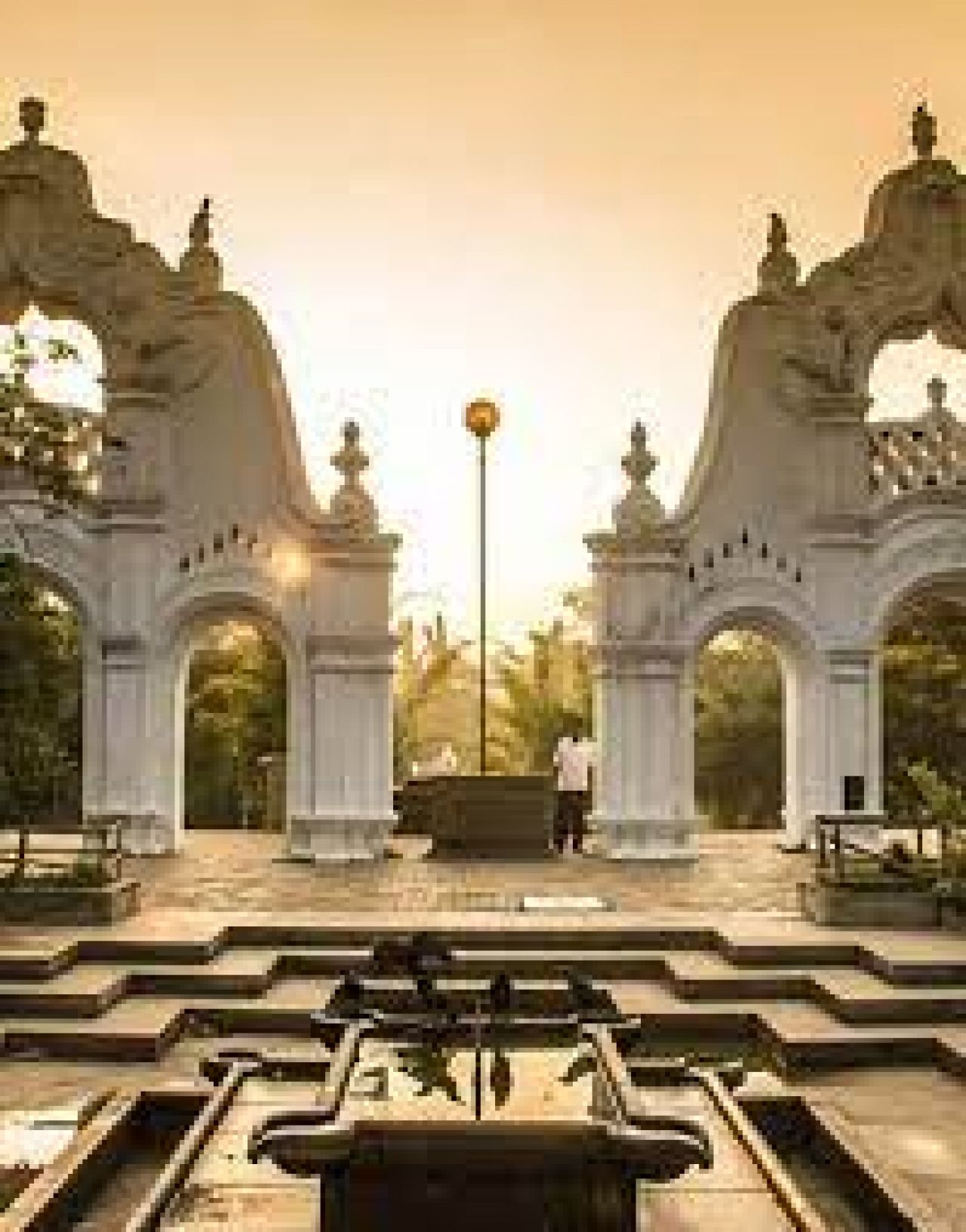
The Kotte Kingdom's deadliest period for Buddhists began with the advent of the Portuguese in 1505. The Portuguese destroyed the temples and stole all the jewels with them, their blinded eyes filled with greed and materialism. The King of Kotte was compelled to seek sanctuary beneath their artillery as a result of them taking full advantage of the internal turmoil at the moment. The Portuguese received the Temple of Kelaniya and the three-story Daladage, which held the Buddha Tooth Relic, as payment for military aid from the puppet ruler Dharmapala of the Kotte Kingdom in 1557 AD. The Daladage and the Seven Storeyed Kithsirimevanpaya in Kelaniya were burnt to the ground and vanished without a trace. They pillaged and destroyed anything they could lay their hands on. The five-story Royal residence in Kelaniya was turned into a church in the same year. A Captain Deyasen de Melo also torched and burned the Kelaniya temple in 1575. All of the Buddhist priests and members of the public who opposed the Portuguese were cruelly murdered, and the Buddhists were forbidden from visiting the Kelaniya Temple, which eventually collapsed into a heap of ruins.
When the Dutch arrived in the eighteenth century, the prohibitions were loosened and Kalaniya could once more be worshipped. They even permitted the Ruler of Kandy Kirthi Sri Rajasingha to develop the temple in 1767, probably to secure the favor of the Kandy king. Thus, the then-chief incumbent Venerable Mapitigama Buddharakkhita thero undertook the Vihara's restoration. He received money from the royal treasury. The king gave the same thero possession of the temple and the entire plot of land in 1780. When Mrs. Helena Wijewardana took on the responsibility of renovating the temple in 1888, the temple entered its next phase of development. Solius Mendis, one of the greatest painters of his day, restored the damaged paintings and artwork. It took 20 years to complete the renovations. Kelani Viharaya is situated about six kilometers distant from Colombo. It may be reached by turning onto the Biyagama Road at the fourth milepost of the Colombo-Kandy Route.