Home / Destinations / RELIGIOUS / Hinduism /
Munneshwaram Kovil
Last updated on 23 Jun 2023Show location
A Buddhist temple is among the five temples that make up the Munneswaram Temple Complex. Shiva's major temple is the most prominent, largest, and well-liked among Hindus. The other temples honor Kali, Ayyanayake, and Ganesha. The Roman Catholic Church and Buddhists both frequent the Kali temple. This significant Hindu temple is located in Sri Lanka, a nation predominately populated by Buddhists. It has existed since at least 1000 CE, notwithstanding the surrounding legends that link the temple to the Ramayana and its heroic ruler Rama. The temple is one of five historic Shiva temples. Most of the temple complex's followers today, with the exception of the Ayyanayake and the Buddhist temple, are of the majority Sinhala Buddhist racial group. Tamils are in charge of running the other temples. The temple is situated in Munneswaram, a community in the Puttalam District with a mixed Sinhalese and Tamil population. The Portuguese twice demolished the temple before giving the properties to the Jesuits. Local Sinhala and Tamils twice rebuilt the temple despite the Jesuits erecting a Catholic chapel on top of the temple's foundation. The majority of the nearby villages and towns are not actively involved in the administration and upkeep of the temple due to religious and demographic changes after the late nineteenth century, although the villages of Maradankulama and Udappu are linked with planning the major temple festival.
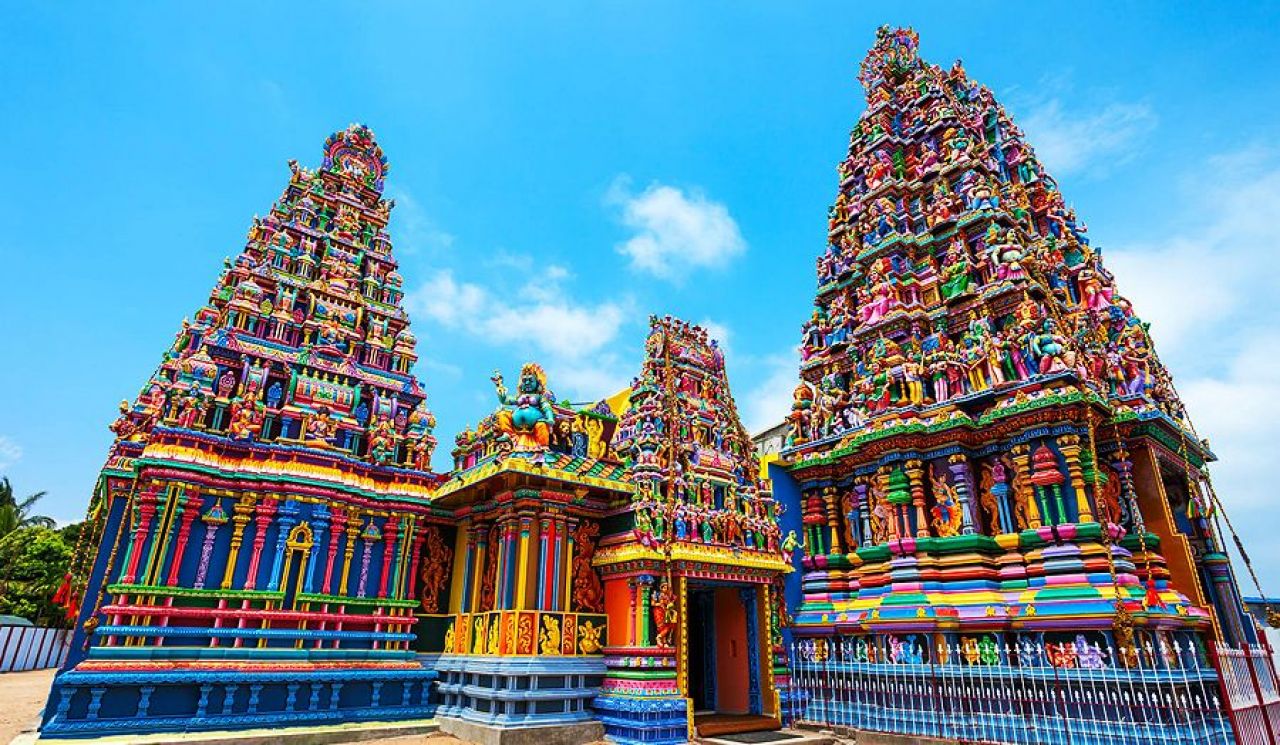
Navarathri and Sivarathri are two of the most important festivals observed at the temple. While the latter is an overnight observance in honor of Lord Shiva, the former is a nine-day festival in honor of the ruling Goddess. The temple also hosts its own festival, the Munneswaram festival, which lasts four weeks and is visited by Hindus, Buddhists, Catholics, and Muslims in addition to these two Hindu holidays. Richard Gombrich and Gananath Obeyesekere, two anthropologists, claim that South India is where the cult of Kali first spread to Sri Lanka. Prior to the 12th century CE, Kali shrines may have been a component of Tamil Hindu temples, but at least by that time, Sinhalese Buddhists had begun to adore Kali as a local demon. Munneswaram is the first recorded Hindu temple with a Kali shrine to gain popularity among Sinhala Buddhists.
According to a belief, Kali landed in Chilaw and now resides in Munneswaram, making the temple a famous destination for magic and curses. The majority of Sinhalese visitors to the temple in the early 1970s came for sorcery, but by the 1990s, more than half came for general adoration, illustrating the deity's metamorphosis from a villainous demigod to a Mother Goddess. Several Sinhalese Buddhist shrines to Kali have appeared all across the island since the 1960s, especially in urban areas. They are overseen by laypeople from Sri Lanka who are experts in trance and who serve as a conduit between the god and the devotee while the deity is possessed.