Home / Destinations / HISTORICAL / Ruins /
Royal Place of King Parakramabahu the Great, Polonnaruwa
Last updated on 26 Jun 2023Show location
The Royal Palace of King Parakramabahu the Great is an iconic historical site located in Polonnaruwa, Sri Lanka. Polonnaruwa served as the capital of Sri Lanka during the reign of King Parakramabahu in the 12th century CE, and the Royal Palace stands as a testament to the grandeur and architectural brilliance of that era. This magnificent structure served as the royal residence and administrative center of the kingdom, reflecting the power and prosperity of ancient Sri Lanka.
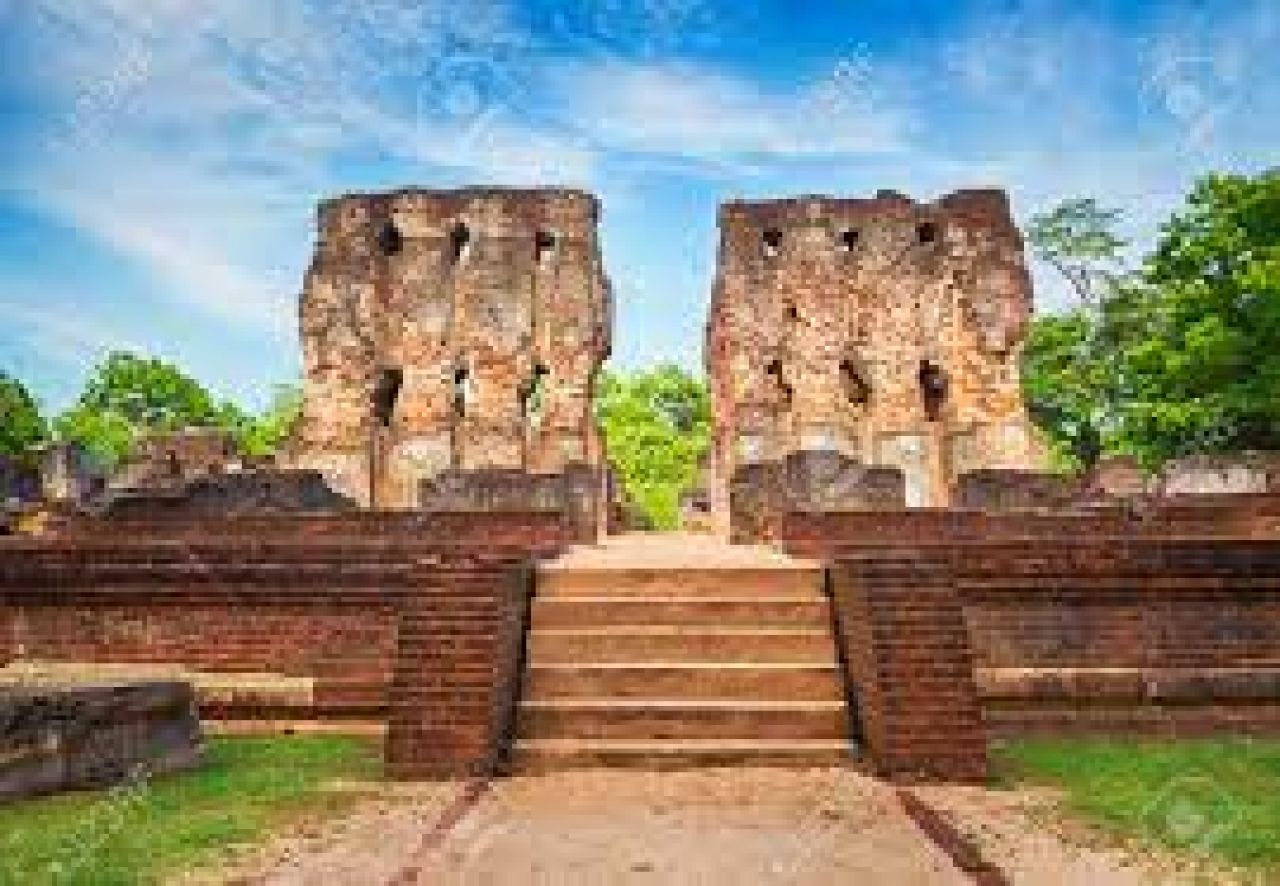
The Royal Palace was constructed during the reign of King Parakramabahu the Great, who is considered one of the most renowned monarchs in Sri Lankan history. Known for his ambitious building projects and administrative reforms, King Parakramabahu played a pivotal role in shaping Polonnaruwa as a thriving cultural and political center. The architecture of the Royal Palace reflects the sophisticated engineering skills and artistic sensibilities of the time. The palace complex covered a vast area, encompassing multiple buildings, pavilions, and gardens. It was constructed using brick, stone, and timber, showcasing the mastery of ancient craftsmen.
The Royal Palace complex was not only a royal residence but also served as the administrative hub of the kingdom. It housed various administrative offices, including the king's council chamber, treasury, and other important administrative departments. The palace was designed to accommodate royal ceremonies, state gatherings, and audience receptions, highlighting its significance as a symbol of royal authority. The layout of the palace complex followed a well-defined plan, with separate areas designated for different functions. The central building, known as the Audience Hall, was the focal point of the palace. It was an impressive structure with intricately carved pillars and a raised platform where the king would receive dignitaries and conduct official business. The Audience Hall was surrounded by courtyards, gardens, and smaller pavilions. These spaces provided privacy for the royal family and served as recreational areas. The gardens within the palace complex were adorned with fountains, ponds, and sculptures, creating a serene and aesthetically pleasing environment. Today, visitors to the Royal Palace can explore the remnants of this once grand structure. Though much of the palace has been reduced to ruins over the centuries, the remaining structures and archaeological findings provide valuable insights into the opulence and grandeur of ancient Sri Lankan architecture. The archaeological excavations at the site have unearthed significant artifacts, including sculptures, pottery, and ancient inscriptions. These artifacts offer glimpses into the artistic and cultural achievements of the time, enabling historians to piece together the story of Polonnaruwa's glorious past. The Royal Palace of King Parakramabahu the Great stands as a testament to the rich cultural heritage and architectural excellence of ancient Sri Lanka. Its grandeur and magnificence reflect the power and prosperity of the Polonnaruwa Kingdom. A visit to this historical site allows visitors to immerse themselves in the fascinating history of the region and appreciate the architectural achievements of the ancient Sri Lankan civilization. In conclusion, the Royal Palace of King Parakramabahu the Great in Polonnaruwa stands as a remarkable testament to the grandeur and architectural brilliance of ancient Sri Lanka. This magnificent structure served as the royal residence and administrative center, reflecting the power and prosperity of the Polonnaruwa Kingdom. The palace complex, though now in ruins, offers valuable insights into the cultural and historical legacy of the region. It is a must-visit destination for history enthusiasts, allowing them to step back in time and experience the grandeur of ancient Sri Lankan civilization.