Home / Destinations / HISTORICAL / Ruins /
Abayagiri Dageba
Last updated on 26 Jun 2023Show location
Abayagiri Dagoba, located in Anuradhapura, Sri Lanka, is an ancient Buddhist stupa that holds great religious and historical significance. Built during the reign of King Vattagamini Abhaya (Valagamba) in the 1st century BCE, Abayagiri Dagoba served as a prominent religious center and a symbol of the thriving Buddhist civilization in ancient Sri Lanka. Today, it stands as a testament to the architectural prowess and spiritual devotion of the ancient Sri Lankans.
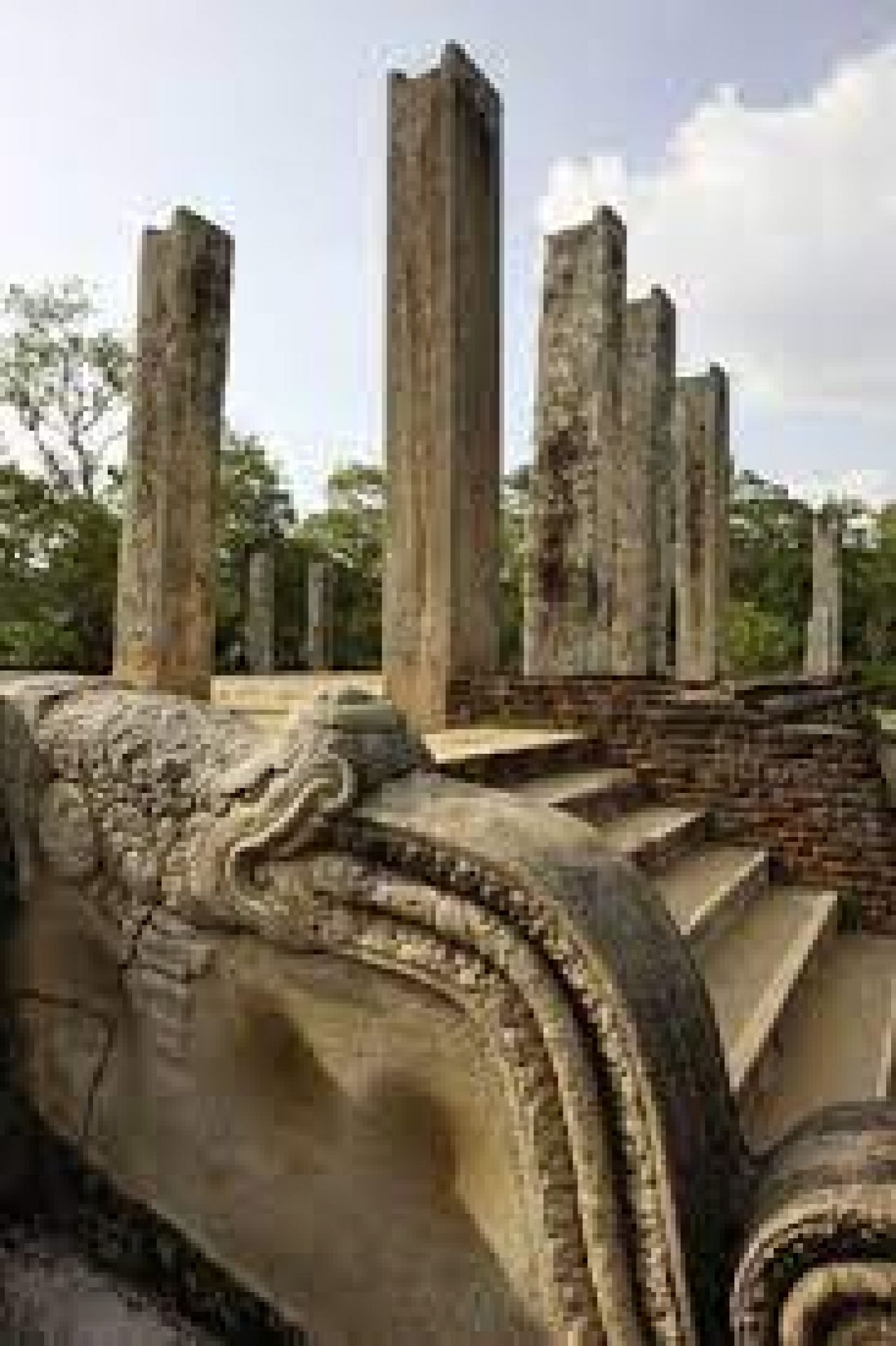
Abayagiri Dagoba was constructed during a period of revival for Buddhism in Sri Lanka. King Vattagamini Abhaya, after reclaiming the throne from foreign invaders, sought to reestablish Buddhism as the dominant religion in the kingdom. The construction of Abayagiri Dagoba was part of his efforts to promote and revitalize Buddhist teachings. The stupa is a monumental structure that reaches a height of approximately 75 meters (246 feet). It is one of the tallest stupas in Sri Lanka and was an engineering marvel of its time. The stupa's architectural design exhibits a blend of Indian and local Sri Lankan styles, incorporating elements of the ancient Sinhalese civilization.
Abayagiri Dagoba was not just a solitary stupa; it formed the centerpiece of a vast monastic complex that spanned over 200 hectares (500 acres). The complex included numerous monastic buildings, meditation halls, lecture halls, libraries, and other facilities for the Buddhist clergy. It housed thousands of monks who engaged in religious practices, scriptural studies, and meditation. The monastery at Abayagiri attracted scholars, monks, and pilgrims from various parts of the world, making it a hub of intellectual and spiritual exchange. The complex was renowned for its scholarly traditions and was home to several renowned Buddhist philosophers and teachers. The exterior of Abayagiri Dagoba is adorned with intricate stone carvings and elaborate moonstones, showcasing the exquisite craftsmanship of ancient Sri Lankan artisans. The stupa was originally covered in white plaster, giving it a radiant appearance. The surrounding area was beautifully landscaped with gardens, ponds, and walkways, creating a serene and tranquil environment conducive to spiritual contemplation. Over the centuries, Abayagiri Dagoba suffered from various challenges, including foreign invasions, natural disasters, and neglect. The stupa fell into a state of disrepair and was eventually reclaimed by the surrounding jungle. However, restoration efforts have been undertaken to preserve and revive the splendor of this ancient monument. Today, visitors to Abayagiri Dagoba can explore the partially restored stupa and experience its spiritual ambiance. The complex provides a glimpse into the ancient monastic lifestyle and offers insights into the rich cultural and religious heritage of Sri Lanka. The serene surroundings and the remnants of the once-grand monastery evoke a sense of reverence and tranquility. Abayagiri Dagoba is not only a historical and cultural landmark but also a sacred pilgrimage site for Buddhists. It is believed to house relics of the Buddha and other esteemed Buddhist monks, making it a revered place of worship and veneration. The stupa attracts devotees who come to pay homage, offer prayers, and seek blessings. In conclusion, Abayagiri Dagoba stands as a significant testament to the ancient Buddhist civilization of Sri Lanka. Its imposing presence and architectural grandeur exemplify the spiritual devotion and architectural mastery of the ancient Sri Lankans. A visit to this sacred site offers a profound experience, connecting visitors with the rich history, cultural heritage, and spiritual traditions of the island. Abayagiri Dagoba continues to inspire awe and reverence, carrying forward the legacy of ancient Sri Lanka's Buddhist civilization.