Home / Destinations / ADVENTURE AND ... / Birds /
Kumana Birds Park
Last updated on 18 May 2023Show location
Kumana National Park, also known as Yala East National Park, is situated in the Ampara district in the southeast of Sri Lanka. The park boasts diverse wildlife, including leopards, elephants, crocodiles, turtles, and white cobras, making it an ideal destination for nature lovers. Additionally, it is a paradise for birdwatching enthusiasts as it is home to over 200 species of birds, both migratory and endemic to Sri Lanka.
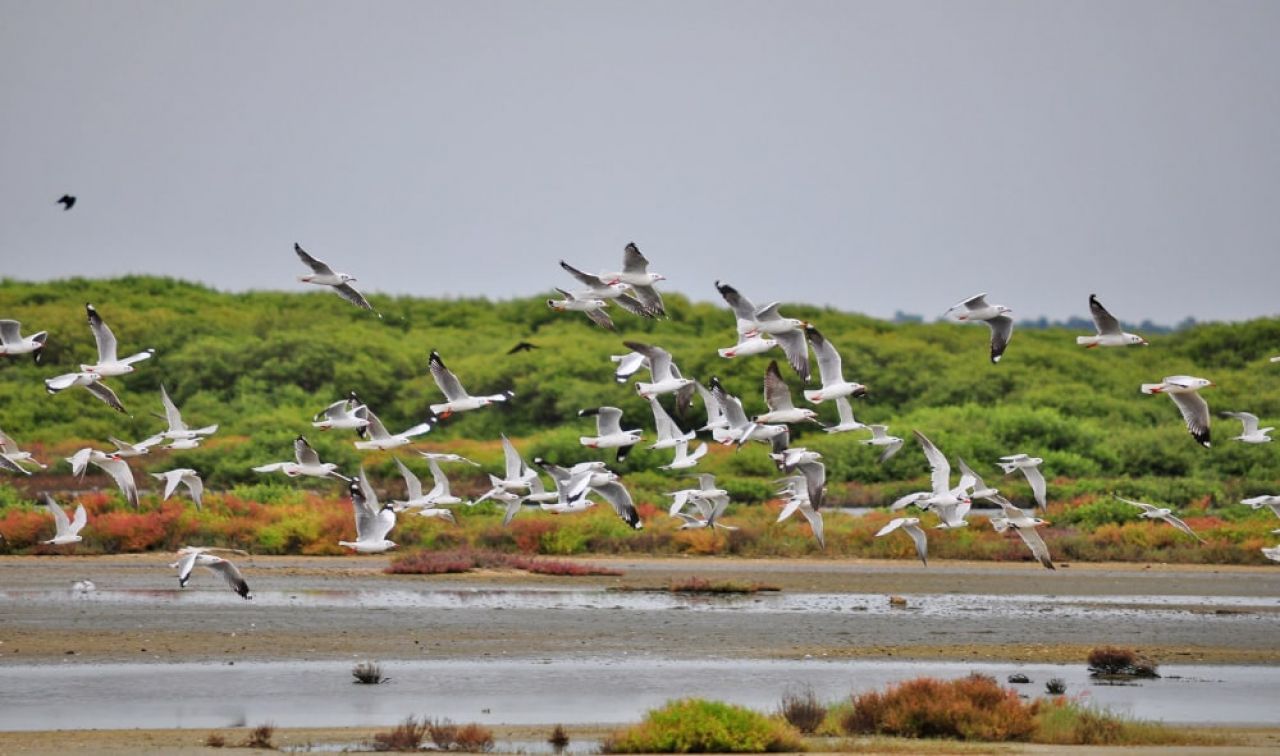
Covering an expansive area of 18,148 hectares, the Kumbukkan River borders the park to the west and the southeastern coast to the South of Sri Lanka. The wide range of bird species and other wildlife in the park makes it a popular destination for birdwatchers and nature lovers worldwide. With over 430 different species of birds, Kumana National Park is truly a haven for bird watchers, and its natural beauty and biodiversity provide visitors with a unique and unforgettable experience. The Kumana National Park covers 35,664 hectares, bordered by the Kumubukkan Oya River in the west and the southeastern coast leading to Panama in the South. The Park's Kumana Villu, a 200-hectare mangrove swamp, occasionally experiences flooding by seawater, attracting numerous water birds that nest there during May and June. Within the Kumana National Park, several water pools, including Kudawila wewa, Thummulla wewa, and Kotalinda wewa, serve as popular spots for wildlife to feed and rest. Kumana National Park is an essential habitat for several threatened wetland species, mainly three turtle species: the Green Turtle (Chelonia mydas), Loggerhead Turtle (Caretta caretta), and the Olive Ridley Turtle (Lepidochelys olivacea). Additionally, the park is home to globally vulnerable species like the Mugger Crocodile (Crocodylus palustris) and other threatened reptiles like the Indian Flap-shelled Turtle and the Indian Black Turtle. The Park's Mugger Crocodile, Indian Flap-shelled Turtle, and Indian Black Turtle are the most frequently sighted reptiles. Kumana National Park is a crucial sanctuary for these vulnerable reptiles and other wetland species, providing an ideal environment for feeding, resting, and breeding.
Sri Lanka boasts a remarkable variety of birds, with over 430 species, including endemic, resident, and migrant birds. Observers can easily witness more than 200 species, given the abundance of birds in Sri Lanka's numerous wildlife parks. As a result, Sri Lanka has become a leading birdwatching destination around the world. Of these, the Kumana National Park is the most essential and famous bird sanctuary in Sri Lanka. The Kumana swamp area is an ornithologist's paradise, with over 20 lagoons and tanks supporting the Kumana birdlife. Thousands of birds migrate to the swamp area every year from April to July. The National Park has recorded approximately 255 species of birds, with regular sightings of pelicans, painted storks, spoonbills, white ibis, herons, egrets, and hundreds of little cormorants. The black-necked stork, an extremely rare bird, has also been sighted at the swamp. The swamp lake in Sri Lanka is a birdwatcher's paradise and is particularly important for birdlife. This 200-hectare natural swamp is home to various birds, including spoonbills, white ibis, herons, egrets, and little cormorants. You may even spot the rare black-necked stork while exploring the lake if you're lucky. During May and June, the mangrove swamp is a nesting and roosting ground for many water birds. In addition to water birds, the reserve is a popular spot for peacocks, Malabar pied hornbills, and green bee-eaters. In addition to its diverse bird population, Kumana National Park is home to several popular mammal species in Sri Lanka, including elephants, leopards, crocodiles, turtles, white cobras, wild buffalo, and bears. Visitors to the Park can organize camping trips to witness these magnificent animals in their natural habitat during the best viewing times of dawn and dusk.